
Nasolabial Folds: What Causes Them and How They Should Be Treated
Introduction
Nasolabial folds are the lines that run from the sides of the nose to the corners of the mouth. They are one of the most common concerns raised in aesthetic consultations and probably one of the most misunderstood.
Many people assume nasolabial folds are a single problem with a single solution. In reality, they often develop for different reasons at the same time. If we get it wrong then we run the risk of either not treating them effectively or in a worst case, giving you unnatural-looking results.
In this article, I’m going to break down the three main causes of nasolabial folds and explain how treatments should be guided by cause rather than appearance alone.
1. Mechanical stress and skin creasing
One common contributor to nasolabial folds is mechanical stress on the skin.
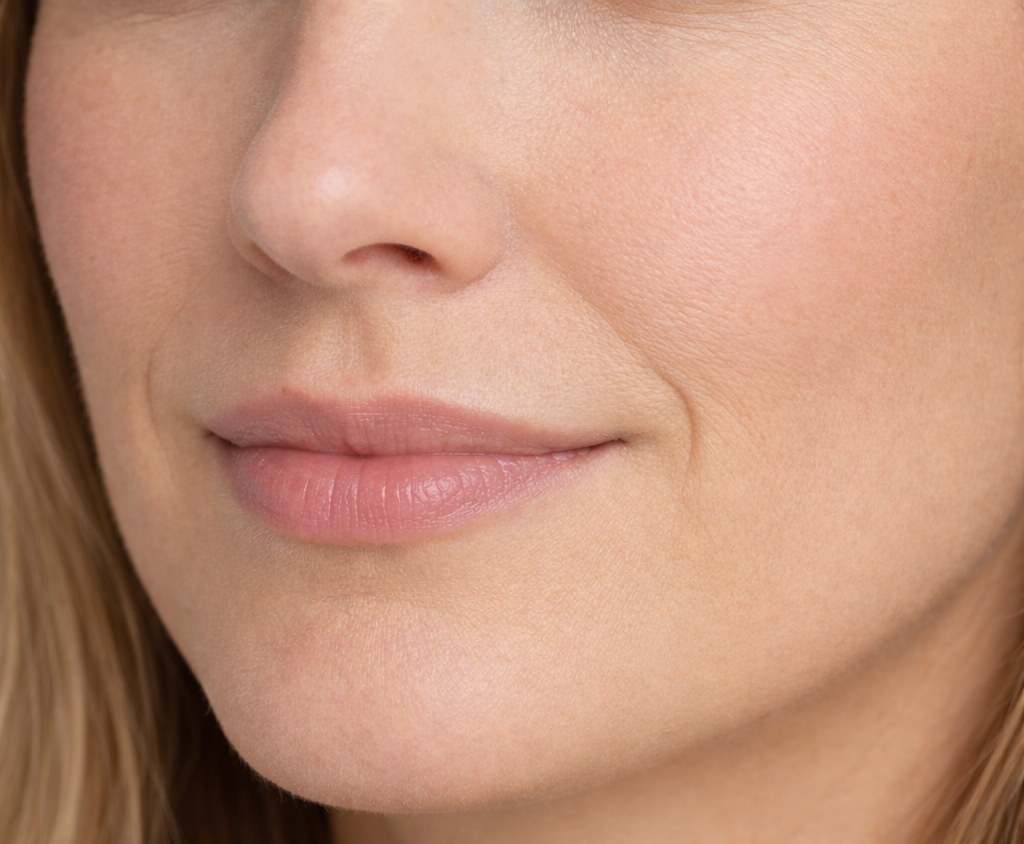
A mild nasolabial crease
Every time we smile, laugh, or speak, the skin in this area folds. Over thousands of repetitions, these folds can become set lines within the epidermis and dermis.
This is not abnormal and it is not something we want to eliminate. At the end of the day, facial movement (especially smiling) is a healthy and essential part of expression, it’s how we communicate with the people and the world around us.
The aim at this level is not to reduce movement but to improve the skin’s ability to tolerate it. That means improving resilience so the skin can return to its original shape more efficiently after being folded.
Treatment approaches here focus on strengthening the skin and improving overall skin quality rather than simply filling a visible line.
Some of the best treatments include:
At home skincare including retinoids, Vitamin C and SPF
In-clinic microneedling
Chemical peels
Filler in the deeper layers of the skin to add hydration and resilience
2. Loss of deep support in the midface
In some people, nasolabial folds appear deeper or more shadowed even when the skin itself looks healthy. This often points to changes beneath the skin.
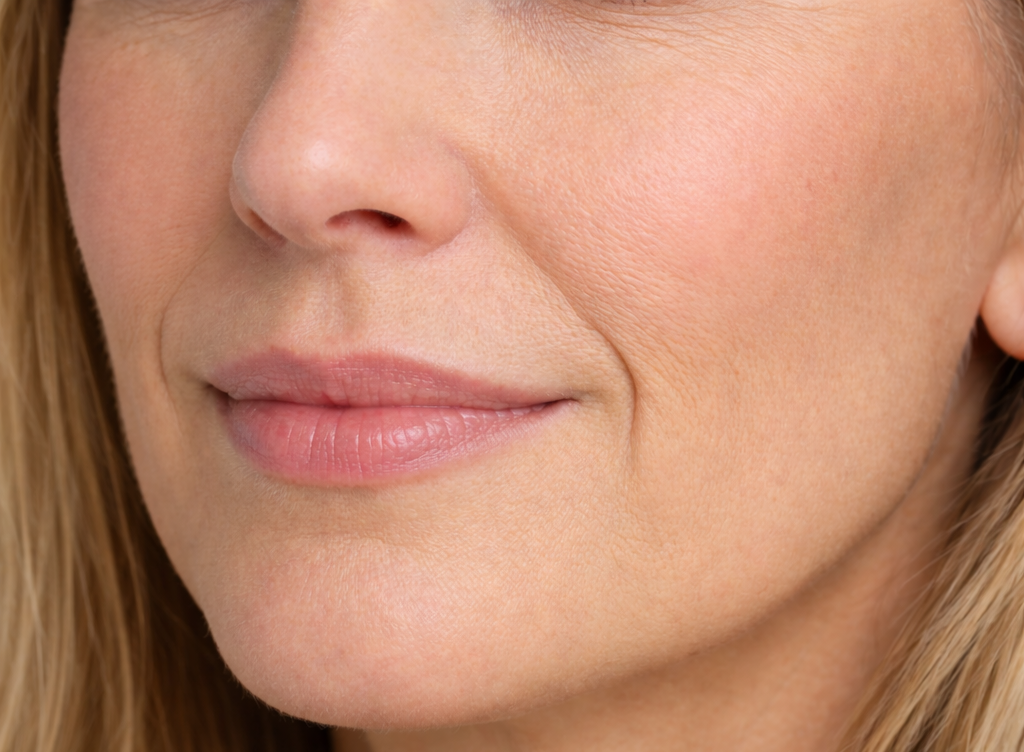
A mild but true nasolabial fold with some loss of bony support in the pyriform fossa.
With age, it is normal for deep structural fat in the midface to reduce. Bone support can also gradually decrease with resorption of the maxilla.
Early signs include flattening of the cheek and a shadowed triangular area next to the nose. In these cases, the fold itself is not the primary issue. It is the result of reduced support higher up and deeper down.
When I’m treating this area, I’m focussing on restoring lost support in the deep fat rather than injecting directly into the fold. The intention is not to add new volume but to replace volume that has been lost as part of the ageing process.
Treatments that can help in this area are:
Filler to the Cheek Apex (Subobicularis Oculi Fat)
Filler injected into the Deep Medial Cheek Fat
Filler injected into the Deep Pyriform Space
3. Loss of lateral support and facial shift
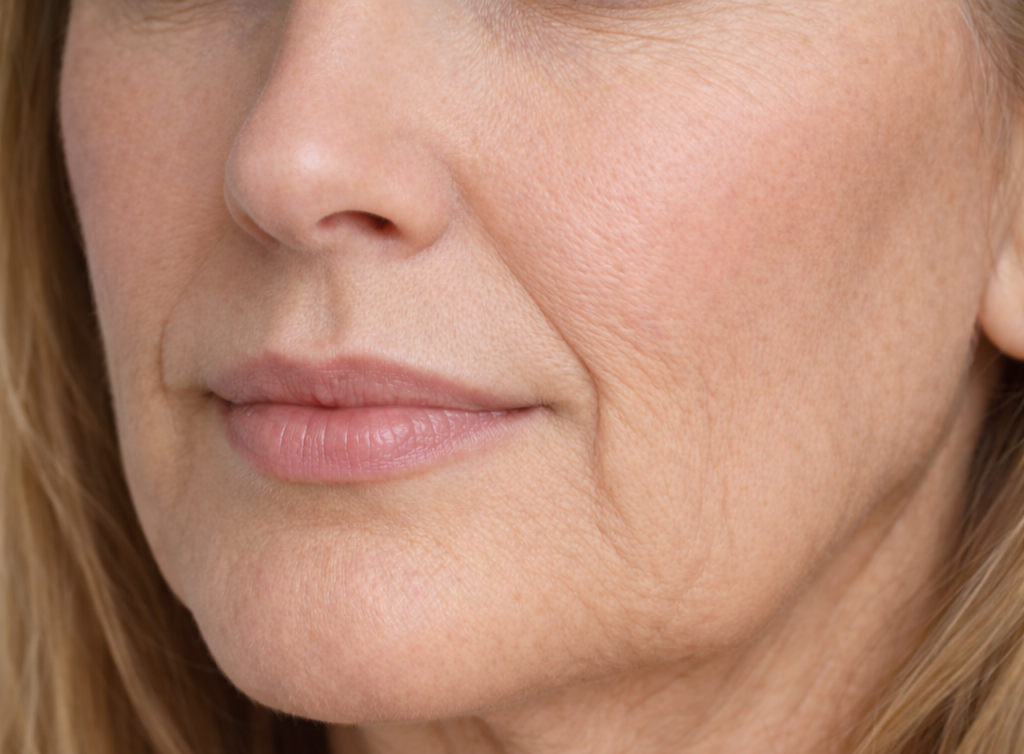
Evidence of loss of structural support in the lateral part of the face.
The big contributor is loss of support in the lateral face.
As volume changes and skin laxity increase, the face can begin to shift forwards and downwards - gravity is not your friend here. People often notice heaviness in the lower face, early jowl formation, or the sense that the face has moved towards the centre.
When this is the main factor, treating the nasolabial fold may help a little temporarily but is unlikely to give good, long-lasting and sustainable results.
Management may involve restoring support, improving collagen and fat quality, or in some cases surgical lifting. At this stage, the fold reflects wider architectural change rather than an isolated issue.
Treatments that can help here include:
Biostimulator treatments like Profhilo Structura, Ellansé, Radiesse and HArmonyCa
Filler to the lateral cheek and pre-auricular area
Energy-based devices like Morpheus8 (when used very conservatively)
A face lift
Why a single solution rarely works
Most people sit somewhere on a spectrum with contributions from skin quality, structural support, and something that we can’t do much about - gravity.
This is why line focused or product led approaches often result in overfilling and unnatural outcomes.
Better results come from properly assessing, examining your face, understanding your facial anatomy and how it’s changed. I can then treat the underlying causes rather than the visible fold in isolation.
Nasolabial folds are a normal part of facial ageing, but the reasons they appear vary widely.
The most important step is a proper assessment that looks beyond the fold itself. If you are noticing changes in this area and would like to explore appropriate options, you can book a consultation here.
